
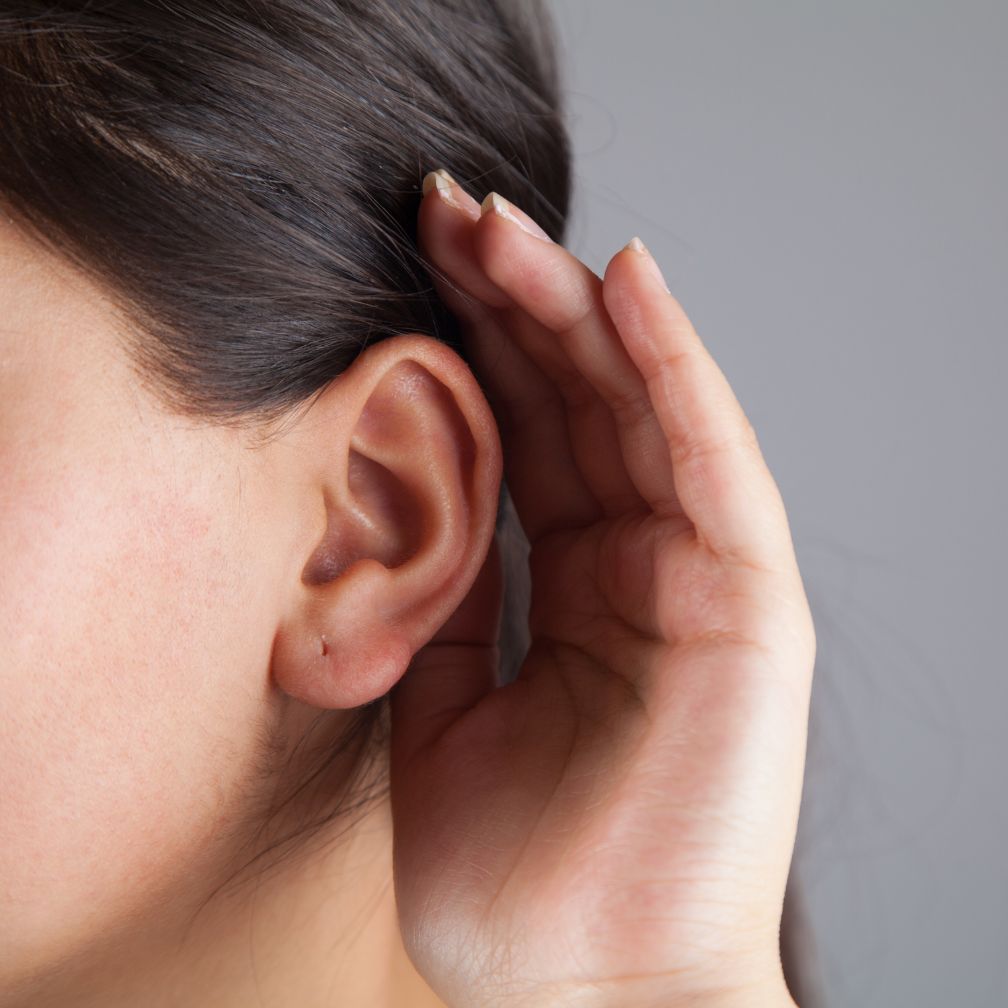
What is the source of that bizarre internal sound resembling continuous static or rushing wind inside your head? Why can’t anyone else hear it? It’s not your imagination.
Happily, you are likely not suffering from “phantom ring syndrome,” a modern behavioral manifestation where excessive cellular device users falsely perceive incoming calls, vibrations, or alerts.
But it could be tinnitus. Your perception of this sound is completely valid, though you must remain aware that several everyday variables can cause tinnitus to flare up.
Fortunately, this underlying audio threshold rarely blocks your baseline ability to follow spoken dialogue. It just sounds like there’s some sound transposed on top of everything you hear.
We will examine why this persistent hum occurs, break down its clinical characteristics, and review what steps you can take to successfully alleviate the symptom.
The Root of Tinnitus: Why Your Brain Tracks This Persistent Hum
In the vast majority of medical cases, this persistent internal static is a secondary symptom of sensorineural hearing loss. It’s characterized by a constant or intermittent noise that sounds like it’s on top of what you hear. Depending on the exact etiology of your condition, the frequency may blend into the background for most of the day. Or you may be saying, this white noise in my head feels deafening, threatening to take my sanity.
You have likely attempted to describe this exhausting sensory distortion to friends, but this particular manifestation of hearing loss is incredibly abstract to those with normal hearing.
Many patients struggle to accept that a roaring sound inside their ears cannot be recorded or validated by outside observers. Is it a hallucination? You may find yourself asking how a silent hum can completely disrupt your concentration and impair your social interactions. Or completely sabotage your natural ability to fall into a deep, restorative sleep cycle?
Nocturnal Amplification: What Happens When Ambient Sound Drops
You’ve probably noticed that the quieter it is, the worse your tinnitus gets. This structural shift happens because the internal hum doesn’t have to fight against real-world sound waves—as seen when people lock down their bedrooms for total quiet at night. They operate without a television background feed, avoid running any radio streams, and eliminate all ambient audio. Add to that the fact that you’re probably alone with your thoughts during this time, and when you start to notice the buzzing or humming in your ears, it turns into the only thing you can think about, making the symptoms seem even worse. Whether your condition presents as a faint hiss or a booming roar, a quiet nocturnal space creates a sensory vacuum that allows tinnitus to fully take control of your mind.
Is that weird sound like wind really tinnitus?
Not only is tinnitus hard to explain to someone who doesn’t have it, but this condition can also become complicated when you try to talk to someone else who is suffering from tinnitus. They may be experiencing very different symptoms than your own, which might lead you to think that what you have isn’t tinnitus at all.
In reality, the overwhelming clinical likelihood is that you are dealing with standard tinnitus variations. This is due to the reality that tinnitus is a highly polymorphic condition, expressing itself through a vast array of acoustic shapes depending on the individual. Sufferers regularly document internal noises that encompass configurations such as:
- The fuzzy roar of unchanneled television feedback
- A resonant, steady internal humming tone
- A sharp, highly irritating electrical buzzing
- A persistent, thin ringing frequency that cuts through silence
- A rhythmic, low-end physical thumping sensation
- The unchanging pitch of a legacy phone line dial tone
With rare exceptions, this internal static is entirely subjective, meaning no outside observer can measure or perceive the sound. Because of this, a traditional doctor cannot physically audit or hear the frequency to validate your complaint. Instead, the doctor will just have to take your word for it on this one.
Unfortunately, this clinical gap frequently leaves patients feeling misunderstood or dismissed by general practitioners who lack dedicated training in audiological medicine.
Sharing his experience, a steelworker named Thomas noted: ‘When the internal ear static first became chronic, I sought help from my primary care provider. While the physician did agree that it matched the description of tinnitus, he completely underestimated how exhausting the background noise was to my mental health. He treated the problem as if it were an insubstantial issue that I could easily ignore. He seemed to think I could just ignore it and really didn’t offer any solutions.”
Transitioning your care to an expert otolaryngologist eliminates this frustration, ensuring your symptoms are validated while mapping real-world treatments. Remarkably, the precise texture and rhythm of your subjective audio can yield critical clues that direct the specialist toward the right therapy.
Investigating Vascular Variations: Rushing and Whooshing Frequencies
Accurately communicating your history is inherently challenging because the disorder utilizes an incredibly vast array of acoustic profiles across different patients. For example, if you hear a whooshing sound or a thumping sound in your ears, which is then followed by a steady series of beats that mimics your pulse, you may actually have a rare type of tinnitus called pulsatile tinnitus.
The good news is that pulsatile tinnitus can be treated more effectively than regular tinnitus since it’s usually caused by one or more health problems, like high blood pressure or issues with your arteries.
That roaring sound is frequently generated by localized circulatory friction inside narrowed vascular structures near the ear, creating an audible murmur known as a bruit. You must prioritize an immediate specialist workup for any pulsing noise, because in specific clinical contexts, that sound warns of a critical cerebrovascular risk that could lead to an unexpected, fatal stroke.
Objective Tinnitus: When Your Doctor Can Audibly Detect the Sound
Tinnitus is a genuine – and quite annoying – condition. While traditional forms defy direct observation, rare presentations of vascular tinnitus enable a trained professional to utilize an amplified stethoscope to audibly track the internal murmur alongside you. It is vital to understand that this objective phenomenon is unique to circulatory-driven cases, a category that is statistically much rarer than standard neurological tinnitus.
How did I get tinnitus? What caused this humming noise in my head?
Statistically, the primary driver of chronic ear ringing is prolonged, repeated exposure to high-decibel environmental noise. It’s very common among musicians and other people who spend a lot of time around loud music, as well as several other professions where workers are exposed to loud noises day in and day out for long periods.
Occupational data highlights several high-risk industries where workers frequently develop severe auditory ringing, including:
- Manufacturing Plant Operations – Being exposed to unshielded mechanical noise for long shifts slowly degrades your internal hair cells over a long career timeline. In addition to the sheer sound exposure, the intense physical pacing of factory labor drives systemic stress, which directly exacerbates the severity of your internal head static. Sufferers who work in proximity to a pneumatic riveter are exposed to one of the worst acoustic offenders in the world, pumping out 125 decibels—loud enough to cause instantaneous hearing destruction and life-long tinnitus.}
- Agricultural Industry Operations – Forget about the traditional sounds of nature. Although a rooster can produce a piercing 90 decibels in the morning, the heavy equipment utilized on a modern farm is infinitely more hazardous to your ear health. Operating tractors, managing combines, running cherry-pickers, or working alongside automated milking networks subjects your ears to extreme decibel wear. Even simple carpentry repairs can cause harm, as a typical table saw operates at over 85 decibels, causing steady auditory decline without ear protection.}
- Aviation – A commercial jet propulsion system generates a staggering 140 decibels of acoustic energy, even from a distance of a hundred feet. While professional aviators generally wear protective communication headsets, pilots of small or regional aircraft operate right next to the engine firewall. No passive or active headset is completely capable of shielding the inner ear from this intense, vibrating sound pressure, meaning your hard-earned flight hours are simultaneously causing gradual, permanent sensorineural damage.}
- Motorcycle Cop – You don’t have to be a police officer to ride a motorcycle, but any job that has you riding around on this noisy vehicle all day puts you at risk of developing tinnitus and eventually losing your hearing. The same goes for snowmobiles and jet skis…though chances are you’re not riding these vehicles at work unless you have a very interesting and, let’s face it, fun job.}
- Bartenders and Service Staff – Trying to hear a customer call out an order over a crowded bar requires immense concentration from your brain’s processing centers. The background music in entertainment venues is frequently pushed to dangerous decibel levels, making it impossible to hear a person standing directly in front of you and forcing your ears to strain constantly against the noise. When the lounge features a live musical act or a club DJ, your hearing paths sustain identical structural wear to the performers on stage.}
In all of these instances, the tiny hairs inside the inner ear were damaged by constant exposure to loud noises. These specialized cells act as the body’s natural microphones, capturing frequencies and allowing your mind to comprehend speech and music. The critical issue is that these auditory hair cells cannot replicate or heal once they have been crushed by noise, resulting in lifelong hearing distortions and chronic tinnitus.
What makes this strange noise in my head worse?
While sound exposure remains the primary cause, several everyday health and environmental variables can drive up the volume of your internal ringing.
- Anxiety and Depression – Both of these emotional conditions establish a highly destructive psychosomatic cycle. As your daily anxiety or depressive symptoms flare up, your internal head static becomes significantly more intense, which naturally causes your mental health to deteriorate further.}
- Not Listening to Your Ears – Your ears become uncomfortable when sound is too loud. Don’t just grin and bear it – take care of your ears, because they’re the only ones you’ve got.}
- High Blood Pressure – Unmanaged hypertension can cause severe micro-circulatory issues, starving your cochlear architecture of oxygenated blood. This fluid restriction causes an immediate surge in the loudness of your tinnitus and can compound your long-term hearing degradation if left untreated.}
- Smoking – That antsy feeling that you get in between cigarettes can worsen symptoms. While the answer may seem like you should have another cigarette, this is only making it worse the longer you smoke because of the impact smoking has on your cardiovascular system.}
- Nutritional Choices – Certain dietary components, especially concentrated caffeine and chemical sweeteners, can irritate your nervous system and increase ear ringing. Implementing a daily food tracking journal allows you to monitor your chemical intake alongside your tinnitus levels to systematically discover your personal food triggers.}
- Interpersonal Stress – Engaging with consistently negative or high-conflict individuals can cause your tinnitus to flare up by triggering systemic hypertension, anxiety, and mood drops. Take a moment to analyze whether certain social circles are causing you physical harm, and weigh that toll against the value of your long-term wellness. Remember, you cannot force others to change their behavior, but you can always choose to distance yourself from their environment.}
- Pregnancy – Approximately one-third of women experience localized ear ringing during gestation, a phenomenon routinely triggered by shifting endocrine baselines and increased cardiovascular demands.}
- Deep wax build-up – Earwax pressing on the eardrum can cause odd sounds. Having that wax removed professionally could instantly stop the ringing in some cases.}
- Pharmaceutical Interventions – Many standard therapies—ranging from prescriptive opiates and heavy antibiotics to common diuretics, cancer treatments, and basic aspirin-based painkillers—can damage the delicate structures of the inner ear. It is critical to coordinate with an otolaryngologist and your managing physician to map out the ototoxic risks of your prescriptions.}
What Treatments Actually Work? Navigating Your Rehabilitation Choices
If you suspect an underlying systemic pathology is driving your symptoms, consult with your managing physician immediately. Some conditions make tinnitus worse, like anxiety or high blood pressure.
Following the successful treatment of any underlying physical diseases, you can pivot to advanced symptom-management strategies. Effective clinical avenues for suppressing the noise include:
- Holistic Stress Reduction – Committing to structured meditation, therapeutic yoga, or dedicated breathing routines helps calm an overactive sympathetic nervous system. Learning to manage mental strain naturally without reliance on alcohol or pharmaceuticals is a skill rarely taught in traditional settings. However, incorporating these behavioral techniques is highly recommended, as they deliver measurable, long-term relief from internal head noise.}
- Nocturnal Audio Camouflage – Utilizing soft, steady background static while you rest offers instant relief by reducing the contrast of the internal ringing. Make sure you never make the mistake of trying to completely submerge the symptom with loud earbuds or high-decibel environmental noise. That counterproductive habit will only accelerate your permanent hearing loss and increase the intensity of your symptoms as time goes on.}
- Modern Hearing Solutions – Investing in current hearing instrument technology can completely change your symptoms through specialized acoustic cancellation. Today’s devices are built with advanced processing chips that offer sophisticated tinnitus management programs. These units can be dynamically adjusted by an audiologist to produce a gentle sound layer that seamlessly masks or cancels the unique frequency you are tracking.}
- Sound treatment, which trains your ear to ignore the sound. Sound therapists emit a sound into your ear that mimics the sound you hear. It teaches your brain to ignore the sound and focus on other sounds, like voices.}
- Cognitive Behavioral Therapy (CBT) – This specialized behavioral methodology gives patients the tools required to break free from anxious obsession and hyper-vigilance. If you are stuck in a habit of tracking negative life events or worrying about uncontrollable global issues, a CBT protocol can help. It provides the neurological retraining needed to anchor your focus on positive milestones and personal goals, effectively lowering the emotional stress that intensifies your ear ringing.}
Can listening to white noise help cure my tinnitus?
You are likely familiar with the old adage of fighting fire with fire, but can you successfully neutralize subjective white noise with environmental white noise? Recent audiological research out of England notes that while consistent sound therapy effectively reduces symptom awareness, it cannot stand alone and must be paired with secondary clinical treatments.
There is currently no known cure for tinnitus – only treatments that can help you better manage your symptoms.
Given these facts, what are your best immediate options for addressing your ear ringing? Your absolute highest priority should be to secure a professional hearing evaluation from an expert. An evaluation will provide clear data showing how severely the background hum is compromising your ability to follow along when family members speak. Once your baseline numbers are established, you can safely evaluate cutting-edge therapeutic protocols with a team of trusted local experts.
When White Noise Deceives Your Brain: The Science of Musical Ear Syndrome
If you are perceiving distinct melodies or spoken words within raw static, you are likely dealing with a phenomenon separate from standard tinnitus. Rest assured, this specific illusion does not indicate that you are developing schizophrenia, dementia, or any other central psychiatric illness. The scientific explanation for this sensory trick is a benign condition known as Musical Ear Syndrome, cross-sensory apophenia, or standard audio pareidolia. These illusions occur because your central nervous system relies heavily on advanced pattern recognition to constantly organize and decode ambiguous environmental noise. Consequently, when confronted with a steady, meaningless hum, your cognitive processing filters can accidentally misinterpret the data. For example, pareidolia is when you interpret those meaningless noises into something you’ve heard before, such as music. However, if you are tracking rich, complex melodies in a room that features absolute, total silence, you may be experiencing a specialized musical hallucination.