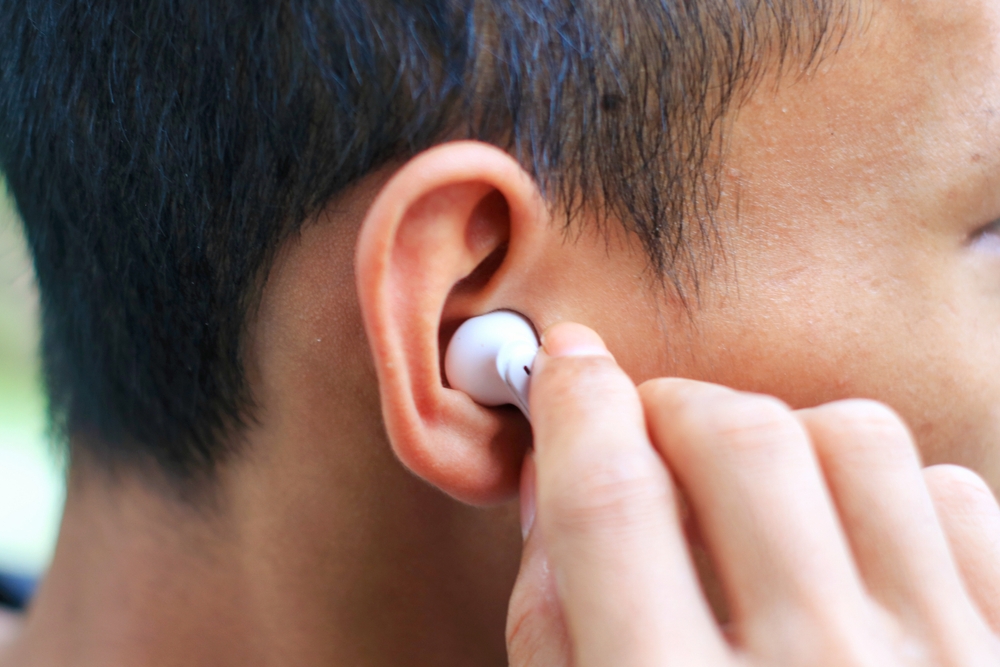
Rarely do we see a young adult in public without an earbud in their ears. Headphones are a bit more cumbersome, but teens still find them a way to escape from their surroundings. We all enjoy listening to music, no matter our age, but younger people rely on music to pass the time. Does the immediate physical closeness of these transducers to our ears result in measurable hearing loss? Ultimately, hearing health depends on the management of volume and duration rather than the device category.
When Healthy Listening Becomes Hazardous
The psychological impact of music varies, serving to calm the nerves, provide emotional solace, or increase physiological arousal. Much depends on the rhythm and volume of the content being consumed. Personal audio tech provides a convenient way to consume media without infringing on the silence of those nearby. That’s a positive thing, and most people will tell you that they are grateful and prefer that on a train or bus.
The essential inquiry remains: at what decibel level and timeframe does listening become dangerous? It is well-established that loud noise, regardless of the source, can compromise your long-term hearing sensitivity. If you maintain a high volume for a long period, you risk destroying the hair cells in your inner ear. The onset of **Noise-Induced Hearing Loss** is insidious, meaning significant damage often precedes clinical awareness.
Why Earbuds Pose a Unique Threat to Hearing Health
The intensity of the decibels is the leading risk factor for permanent auditory trauma. Despite this, the cumulative hours of exposure are just as dangerous as a single loud blast.
- The National Institutes of Health (NIH) recommends listening at below 70 decibels. Even after long exposure, you won’t have any hearing loss.
- There is a direct correlation between increased sound pressure and the speed of hearing degradation.
- Implement the 60/60 safety protocol by capping volume at 60% and taking a break every 60 minutes.
- Taking control of your volume slider and managing your time is the best defense against hearing loss.
Recognizing the Symptoms of Auditory Damage
Experiencing aural fullness, persistent **tinnitus**, or difficulty deciphering dialogue in crowds suggests it is time for a clinical hearing test.
Reach out to our care team immediately if you are concerned about your current hearing sensitivity.