Choosing a hearing aid can feel daunting, especially when today’s devices come in so many styles, sizes, and technology levels. But no matter your needs, there’s an auditory solution for every lifestyle, preference, and degree of hearing loss. It’s just an issue of finding it!
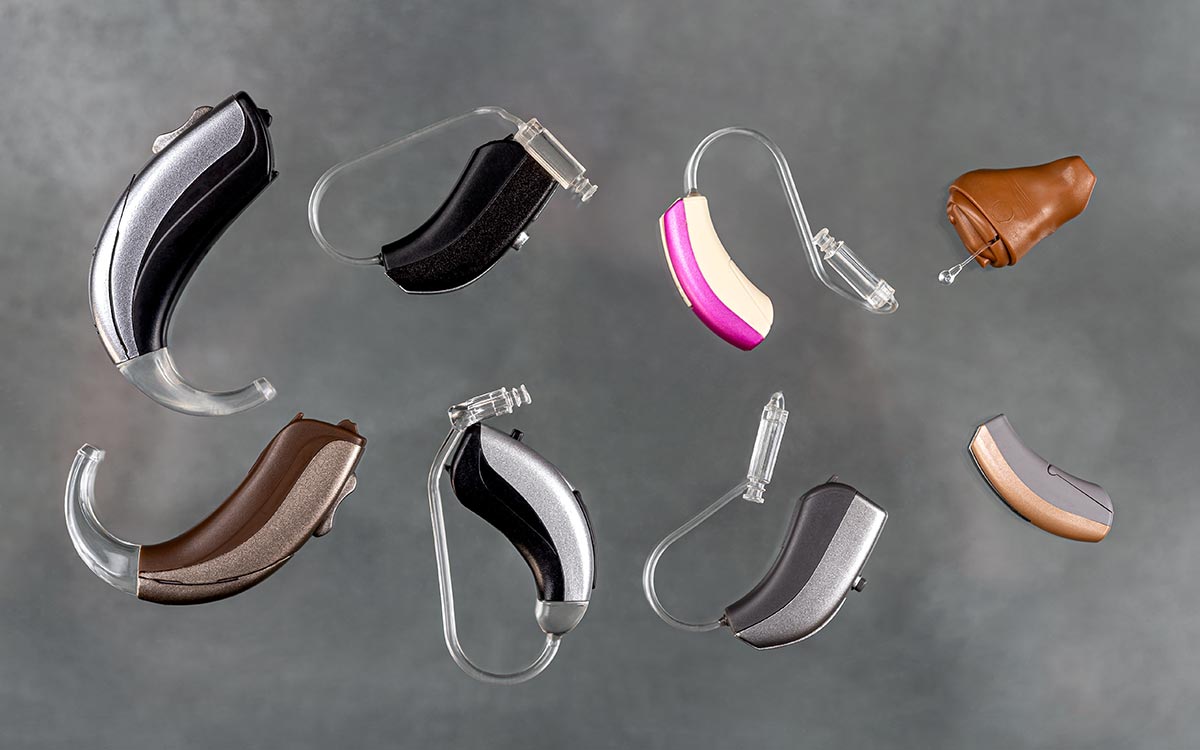
Understanding the distinctions among the most popular types of hearing aids can help you feel more informed and confident as you explore your options. We are going to study the primary styles available today to help you understand what sets each option apart.
The ITC (In-the-Canal) Style Explained
The Definition:
ITC hearing aids rest partially in the ear canal, with a small portion visible at the outer ear.
Why users select them:
- More discreet than larger models
- Specifically shaped to the user’s ear for a better fit
- Works effectively for people experiencing mild hearing challenges
Because they offer both discretion and useful features, ITC models are a top pick for those new to hearing technology.
Invisible-in-Canal (IIC) Hearing Aids
The Concept:
IIC models are the most miniature custom-fitted auditory solutions you can choose. They are inserted deep within the canal to remain hidden from view.
Primary Motivations:
- Highest level of discretion for the wearer
- Strategic positioning allows for a very organic listening experience
- An ultra-light build makes them easy to wear all day
Because of their tiny stature, IIC devices typically work best for mild to moderate hearing loss and for those who prefer a nearly invisible option.
Full and Partial ITE Varieties
The Fundamentals:
These models fill either the complete or bottom half of the outer ear bowl. The shell is specially molded to the specific contours of your individual ear.
Why users choose them:
- The larger size makes it feasible to include more internal components and longer-lasting batteries
- Easier to manage for those with dexterity challenges
- Effective for an extensive range of hearing impairments, ranging from mild to severe
Users regularly select these units for their straightforward, single-piece construction that avoids any external wiring or tubing.
BTE (Behind-the-Ear) Basics
Operation:
These devices sit on the external ridge of the ear’s anatomy. These models utilize an individualized earmold or tubing to direct sound inside.
Why users select them:
- Very versatile and durable
- Provides a wide selection of amplification suitable for nearly any user
- Big enough to house sophisticated software and modern rechargeable technology
BTE devices are an excellent choice for individuals seeking reliability, ease of use, and strong amplification.
Modern RIC Devices
Mechanical Arrangement:
The RIC design keeps the main body on the back of the ear while moving the receiver into the ear canal itself.
Why users choose them:
- Minimizes the “plugged up” feeling for more pure hearing
- Users appreciate the slim profile and comfortable fit for all-day use
- Great for multiple levels of hearing loss
RIC units are extremely common today because they balance appearance with powerful functionality.
Long-Term “Set and Forget” Hearing Aids
Usage Summary:
These unique aids are designed to live in the ear canal for an extended period or more, managed by your hearing specialist.
Lifestyle Advantages:
- Provides a hassle-free journey with no daily maintenance required
- They are virtually hard for people to notice because of their depth
- Engineered to be worn throughout everyday activities, including sleeping and exercising
Extended-wear devices are perfect for patients who want a “set it and forget it” approach.
Smart Hearing Aids with Wireless
Digital Attributes:
Hearing aids with wireless connectivity that pair with smartphones, tablets, computers, and sometimes TVs.
Why people choose them:
- Enjoy immediate sound streaming from your phone or TV right into your ears
- Provides an unobtrusive way to manage your hearing environment from your mobile screen
- Perfectly suited for the needs of an advanced, connected individual
Most contemporary RIC, BTE, and ITC hearing aids currently offer an advanced version.
Middle-Ear Implants
Technical Definition:
An operatively implanted device that physically vibrates the middle ear bones to amplify sound.
Who they are for:
- Serves as an essential substitute for those who find no success with traditional amplification
- This is an expert alternative for those with chronic ear canal sensitivity.
These devices require an exhaustive medical review by an ear, nose, and throat expert.
Finding the Hearing Aid That Suits Your Life
Since each hearing aid design has unique assets, the best choice is based on your specific hearing needs, your daily activities, and your aesthetic goals. An audiology professional is your best resource for comparing these options and finding a match for your daily routine.
If you’re prepared to explore the possibilities, schedule a hearing evaluation today. Your future of confident communication starts with this first evaluation.
Sources:
https://www.mayoclinic.org/diseases-conditions/hearing-loss/in-depth/hearing-aids/art-
20044116
https://www.hearinglife.com/hearing-aids/types
https://www.nidcd.nih.gov/health/hearing-aids