
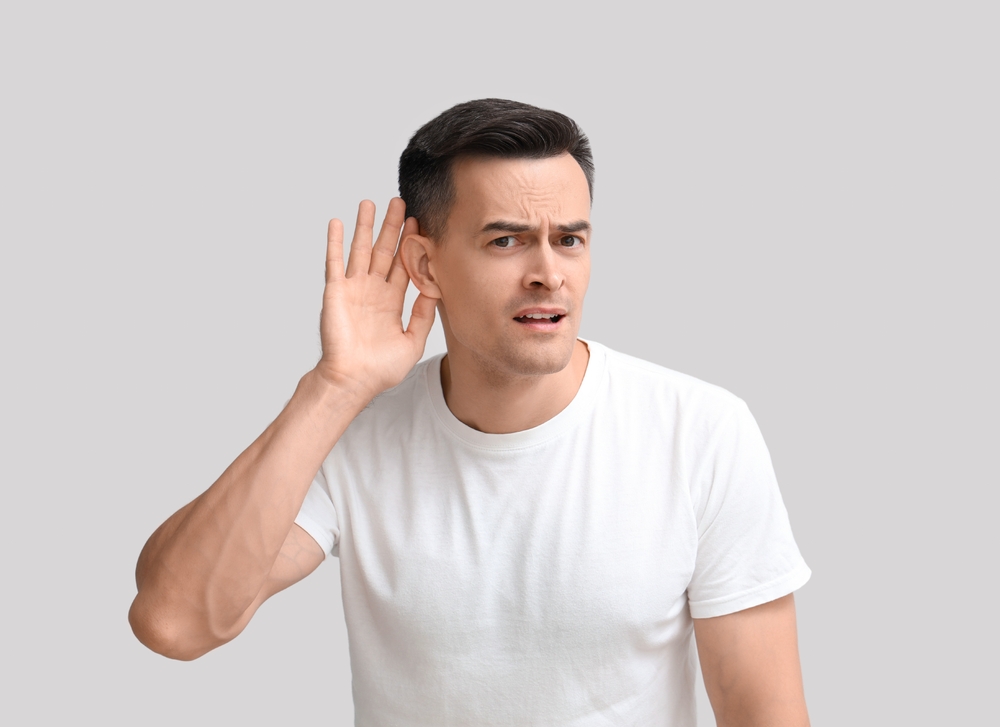
Have you ever felt totally drained after a long conversation or social gathering?
You may assume you’re just tired, stressed, or overwhelmed. Certainly, for those with introverted tendencies or sensory processing sensitivities, social engagement is naturally taxing. Frequently, this specific type of burnout is actually triggered by chronic auditory fatigue.
Auditory fatigue occurs when the central nervous system must expend excessive energy to decode acoustic signals. When hearing is not as clear as it should be, the brain often tries to fill in missing pieces of speech and interpret unclear sounds, which takes significant mental effort. This persistent neurological demand inevitably results in deep mental and emotional burnout.
Most individuals fail to distinguish between localized auditory fatigue and general fatigue. In many cases, persistent fatigue serves as a diagnostic “red flag” for early-onset hearing impairment. Undergoing a clinical screening can identify the extent to which hearing loss drives your daily fatigue. Persistent patterns of post-social exhaustion warrant a discussion regarding the impact of hearing loss.
Why Your Brain Suffers from Auditory Fatigue
Various stressors can overtax the auditory cortex, leading directly to the onset of auditory fatigue.
The Hidden Cost of Ignoring Hearing Loss
Failing to address hearing loss is a major factor in the development of persistent auditory fatigue.
When the ears cannot detect certain sounds clearly, the brain tries to compensate by filling in gaps. The mental labor required for constant speech reconstruction causes energy levels to plummet during social interaction.
Auditory Fatigue in Social Settings
Busy environments can worsen auditory fatigue. Loud public spaces, corporate boardrooms, and large social gatherings typically feature high levels of competing ambient noise.
In multi-source sound environments, the brain must exert massive energy to suppress irrelevant noise. This intensive filtering often leads to cognitive overload, even in patients with “hidden” or sub-clinical hearing loss.
The Role of Tinnitus in Auditory Fatigue
Chronic tinnitus compounds listening effort as the brain struggles to ignore internal noise while focusing on external speech.
A distorted acoustic signal acts as a “broken link,” requiring the brain to expend extra energy to fix the data in real-time.
Common Signs of Auditory Fatigue
This type of fatigue often degrades both your ability to concentrate and your general vitality. Common signs include:
- Feeling mentally drained after conversations
- Inability to maintain attention in multi-person dialogues
- Headaches after long listening periods
- Irritability or frustration in social settings
- Social retreat to avoid the stress of auditory processing
- The need for a “quiet recovery period” following social exposure
If these symptoms occur frequently, it may indicate that your ears and brain are working harder than they should.
The Cognitive Cost of Auditory Decline
Clear auditory input allows the brain to interpret sound with virtually no conscious effort. Conversely, hearing loss forces the brain to redirect energy from other executive functions to assist in sound decoding.
Audiologists and neurologists define this extra effort as a high cognitive load. It’s where the brain redirects energy from other tasks (like memory and focus) to figure out what someone is saying. The long-term effect of this cognitive shift is the profound “emptiness” felt after socializing. Standard dialogue, which should be easy, becomes a high-intensity cognitive task.
Diagnosing the Source of Your Fatigue
If auditory fatigue is affecting your daily life, a professional hearing evaluation can help identify the cause. A full audiological exam involves testing your threshold for various frequencies and your word-recognition score. Specialized “speech-in-noise” testing is often used to uncover deficits that are invisible during standard quiet-room exams.
The data from your exam will determine if your fatigue is rooted in a physiological hearing deficit. Early diagnosis facilitates prompt intervention, preventing the onset of chronic cognitive load issues.
The Benefits of Audiological Rehabilitation
The right hearing treatment acts as a “pressure release valve” for the brain’s processing centers.
Current digital technology restores the signal-to-noise ratio, providing the brain with a cleaner audio feed. This allows the brain to receive clearer signals without constantly trying to fill in missing sounds.
Once auditory strain is reduced, the following areas often show significant improvement:
- Sustained cognitive stamina during the workday
- Increased attention span during long discussions
- Feeling relaxed and confident in noisy environments
Lowering the cognitive cost of communication allows social life to feel effortless once more.
Timing Your Audiological Evaluation
You should prioritize an audiological consultation if the following conditions apply:
- Socializing feels like a high-intensity mental workout
- You are increasingly told that you are missing parts of the conversation
- You struggle to follow discussions in noisy environments
- You avoid social situations because listening feels difficult
Early action on hearing impairment is a foundational step in preserving your mental and social health.
FAQs About Auditory Fatigue
Are Fatigue and Loss Identical?
No. Auditory fatigue refers to the mental exhaustion caused by intense listening effort. While they are different, hearing loss is the direct driver of most fatigue cases.
Will Hearing Devices Fix My Burnout?
Yes. By improving sound clarity and reducing background noise, hearing aids can significantly decrease the mental effort required to understand speech.
Can I Recover from Auditory Fatigue?
Most patients find that their energy returns once the listening “gap” is closed with technology.
Stop Feeling Drained After Conversations
Socializing should replenish you, not leave you feeling drained. If listening leaves you mentally drained, your ears and brain may be working harder than they should.
Take the first step toward social ease by reaching out for a professional evaluation. The path to social confidence and mental clarity begins with accurate hearing data.